
Choosing Seats at the Movies
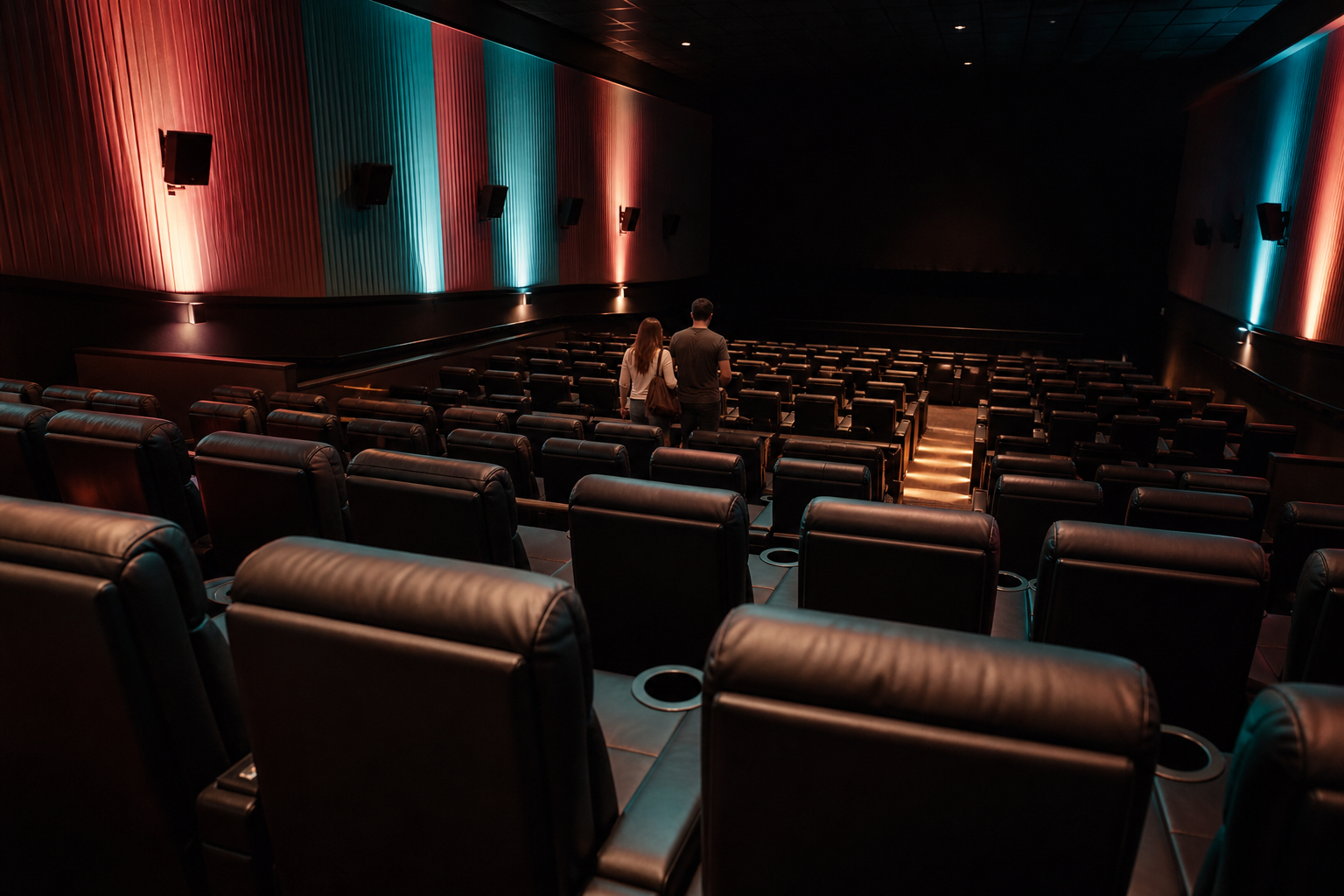
Assigned seating turned a scramble into a map. It also created a new way to have a bad night: you can pay for a premium room and then sit so close that the image is a texture. Seat maps are part of showtimes now. Treat them that way.
A simple sightline rule
In stadium seating, the middle third of the house, slightly behind the true center, is the boring correct answer for most films. Front rows punish necks. Back rows can feel like watching a large television if the auditorium is deep. Recliners change this — the pitch is more forgiving — but they do not repeal optics.
Aisles, exits, and restless companions
Aisle seats are not unsophisticated. They are how you leave without a ballet. Families, anyone who may need the restroom, and people who dislike being boxed in should stop apologizing for the aisle. Our family tips cover the rest of that night.
Accessibility is a first-class seat, not a leftover
Companion seats, wheelchair locations, and transfer seats are marked on most chain maps. If the map is unclear, call the building. Do not trust a third-party blog (including a rushed reading of this one) over the theater’s own diagram.
Pick seats on the theater map, then have a backup showtime ready.
When the map lies
Renovations move rows. A “sold out” center block can be a school group. If the remaining seats are front-corner only, consider another showtime rather than daring the geometry. Premium formats with huge screens make front corners even harsher — see formats.
Pick the building first: theaters near you.
seats accessibility
Keep going

Mira edits Lumenhouse. She writes about how people actually find a screen: lobbies, listings, and the small logistics that make a night out work.
Comments
Comments are closed. Questions about a guide: [email protected].